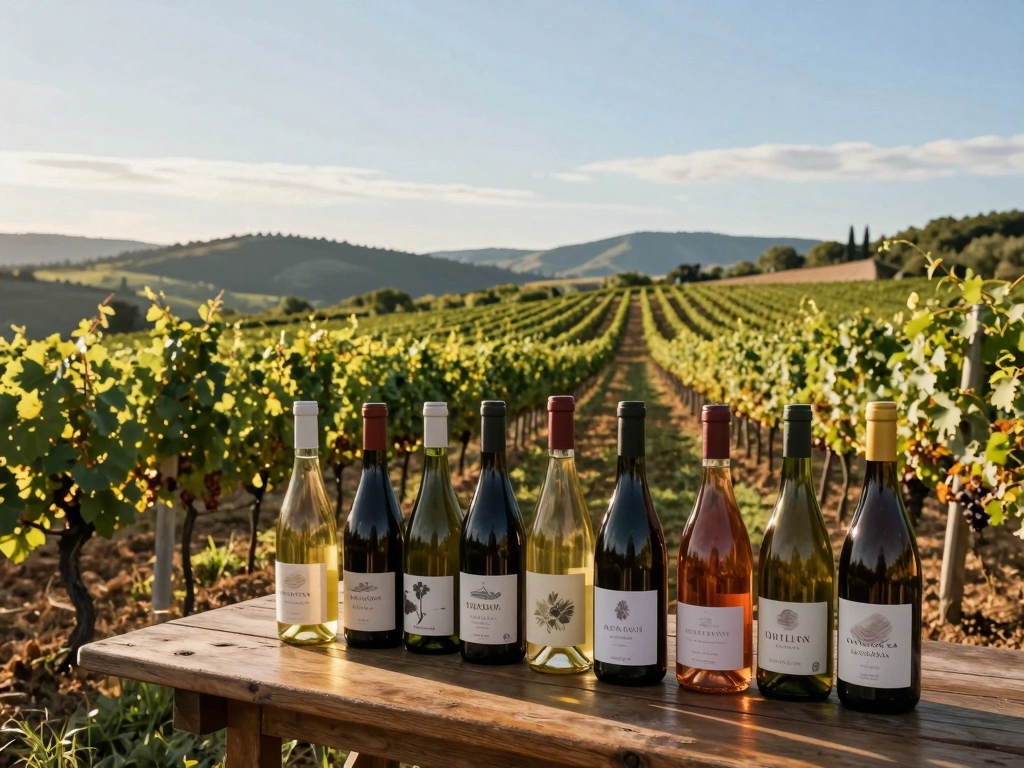
European Natural Wine Producers: A Deep Dive
Profiles of Top Producers in France
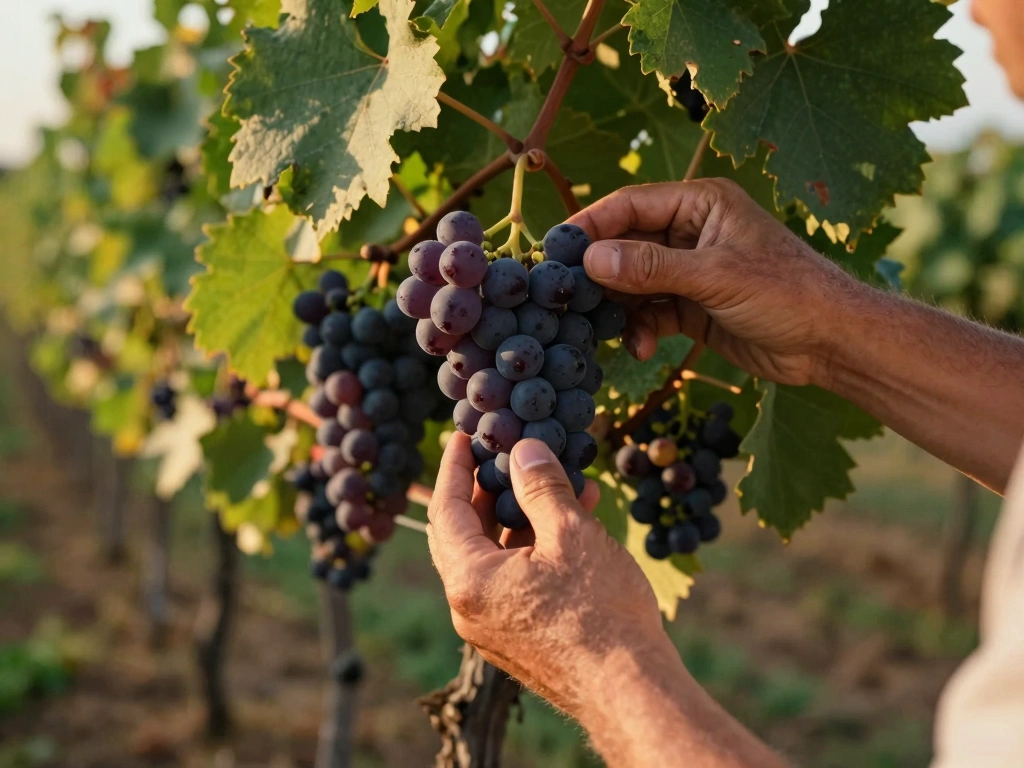
France has long been a bastion of wine production, and its natural wine scene is no exception. The country is home to numerous producers who emphasize organic practices, minimal intervention, and a deep connection to terroir. Notable among these are:
- Domaine de la Romanée-Conti: Located in Burgundy, this producer is renowned for its biodynamic practices. They focus on using natural yeasts and avoiding additives, resulting in wines that are expressive of their terroir.
- Jean Foillard: Based in Beaujolais, Foillard is a pioneer of the natural wine movement. His Morgon wines are crafted with minimal intervention, showcasing the Gamay grape's potential through carbonic maceration and careful vineyard management.
- Château Le Puy: This Bordeaux estate practices biodynamic viticulture and offers wines that reflect a commitment to sustainability. Their wines are aged in large oak barrels, allowing for minimal manipulation and a true expression of the region.
Italy's Unique Natural Wine Regions
Italy's varied geography and climate create a rich tapestry for natural wine production. Regions like Tuscany, Piedmont, and Sicily are at the forefront, producing distinctive wines that honor tradition while embracing innovation.
- Azienda Agricola COS: Located in Sicily, COS is celebrated for its commitment to natural methods and ancient winemaking techniques. Their use of amphorae for fermentation results in wines that are both fresh and complex.
- Tenuta di Aglaea: This Tuscan winery focuses on indigenous grape varieties and organic farming practices. Their Chianti and Rosso wines embody the essence of the region, showcasing bright acidity and depth.
- Giuseppe Rinaldi: In Piedmont, Rinaldi produces Barolo and Barbaresco wines that are unfiltered and fermented with wild yeasts. His traditional methods and adherence to old-vine fruit yield exceptional quality and character.
Spain's Emerging Natural Wine Sector
Spain has witnessed a surge in natural wine production, with regions like Catalonia, Galicia, and the Canary Islands leading the charge. These producers are celebrated for their innovation and commitment to sustainability.
- Clos Lentiscus: Located in Penedès, this winery is known for its organic and biodynamic viticulture. Their sparkling wines, particularly the “Sumoll,” are a testament to the unique terroir of the region.
- Envínate: A collective of four winemakers from different Spanish regions, Envínate focuses on low-intervention methods and indigenous grape varieties. Their wines, such as “Benje” and “Tinto,” reflect the diversity of the Spanish landscape.
- Suertes del Marqués: Situated in the Canary Islands, this producer uses volcanic soils to create wines with intense minerality and character. Their “7 Fuentes” red is a standout, showcasing the unique terroir of the region.
North American Natural Wine Scene: Regional Highlights
California's Pioneering Natural Winemakers
California has emerged as a significant player in the natural wine movement, with the state's diverse climates and soils providing a unique backdrop for innovative producers.
- Frey Vineyards: Located in Mendocino County, Frey is one of the first organic and biodynamic wineries in the U.S. Their commitment to sustainable practices has led to the production of vibrant, fruit-forward wines.
- Donkey & Goat: Situated in Berkeley, this winery focuses on natural fermentation and minimal intervention. Their skin-contact whites and Rhône varietals have garnered attention for their complex flavors and aromas.
- La Clarine Farm: This winery in the Sierra Foothills emphasizes terroir-driven wines made from a mix of varietals, including Grenache and Syrah, using organic methods and spontaneous fermentation.
Oregon's Organic and Biodynamic Focus
Oregon has gained recognition for its commitment to organic and biodynamic viticulture, particularly in the Willamette Valley, known for its Pinot Noir and Chardonnay.
- Montinore Estate: This winery is dedicated to biodynamic practices and produces a range of wines that reflect the terroir of the Willamette Valley. Their estate-grown Pinot Noir showcases the complexity that this region offers.
- Brooks Winery: Founded by Jimi Brooks, this winery focuses on producing wines that express the land. Their use of native yeasts and minimal sulfur addition results in wines that are both vibrant and expressive.
- Anne Amie Vineyards: Known for its commitment to sustainability, Anne Amie produces a variety of wines that are both innovative and rooted in tradition, highlighting the potential of Oregon's terroir.
New York's Natural Wine Growth
New York’s natural wine scene is rapidly expanding, especially in regions like the Finger Lakes and the Hudson Valley, where producers are experimenting with a variety of grapes and techniques.
- Hermann J. Wiemer Vineyard: Located in the Finger Lakes, this winery focuses on Riesling and has adopted organic practices. Their wines are noted for their balance and minerality, reflecting the region's unique climate.
- Hollyhock Farm: Situated in the Hudson Valley, Hollyhock produces small-batch wines from estate-grown grapes using organic methods. Their focus on terroir and minimal intervention has garnered them a loyal following.
- Red Tail Ridge Winery: This winery specializes in cool-climate varietals and uses sustainable practices to produce wines that are both expressive and approachable, highlighting the Finger Lakes’ potential.
South America's Natural Wine Revolution
Argentina's Innovative Producers
Argentina has been making strides in the natural wine movement, with producers in regions like Mendoza and Patagonia embracing organic and biodynamic practices.
- Bodega Chacra: Located in Patagonia, Chacra is known for its biodynamic practices and focus on Pinot Noir and Chardonnay. Their wines are characterized by elegance and a strong sense of place.
- El Enemigo: This Mendoza-based winery emphasizes minimal intervention techniques and has gained recognition for its unique blends and varietals, including the striking “El Enemigo Gran Reserva.”
- Susana Balbo Wines: As one of Argentina's pioneering female winemakers, Balbo's estate employs organic practices and focuses on terroir-driven wines that encapsulate the essence of Mendoza.
Chile's Diverse Terroirs
Chile’s natural wine scene is thriving, driven by a deep commitment to organic farming and a diverse array of climates and soils from the Atacama to Patagonia.
- Viña Koyle: This biodynamic winery in the Colchagua Valley is known for its single-vineyard wines that reflect the unique terroir. Their “Koyle Gran Reserva” has received accolades for its complexity and depth.
- Ocio: A smaller producer focused on natural methods, Ocio creates limited-edition wines that showcase the potential of Chile’s lesser-known varietals, such as Cinsault and País.
- Clos des Fous: Founded by a group of winemakers, this winery emphasizes minimal intervention and sustainable practices, producing expressive wines that highlight Chile’s unique geography.
Brazil's Rising Natural Wine Movement
Brazil is experiencing a burgeoning interest in natural wines, particularly in the southern regions like Serra Gaúcha and Santa Catarina.
- Vinícola Góes: Situated in São Paulo, this winery is known for its organic vineyards and commitment to producing wines that embody the region's terroir, with a focus on varietals such as Merlot and Chardonnay.
- Casa Valduga: This family-owned winery emphasizes sustainable practices and produces a range of natural wines that reflect the unique climate of the Serra Gaúcha region.
- Vinha da Vida: A pioneer in the natural wine movement, Vinha da Vida focuses on organic viticulture and minimal intervention, creating wines that express the diversity of Brazilian terroirs.
Asian Natural Wine Producers: Trends and Traditions
Japan's Unique Approach to Natural Wines
Japan's wine industry is increasingly embracing natural wine production, with winemakers focusing on unique varietals and traditional techniques.
- Château Mercian: Based in Nagano, this winery is known for its use of indigenous grapes and a commitment to organic practices. Their wines, particularly the Koshu variety, showcase the potential of Japanese terroir.
- Kidoizumi Winery: Located in the Yamanashi Prefecture, Kidoizumi is celebrated for its natural methods and the production of wines that reflect the local environment, most notably their “Shiraz” and “Cabernet Sauvignon.”
- Hirsch Winery: This family-owned producer focuses on biodynamic techniques, creating wines that are expressive of their terroir and unique in their approach to traditional Japanese winemaking.
South Korea's Natural Wine Evolution
South Korea's natural wine sector is steadily growing, with producers experimenting with local and imported grapes to create unique offerings.
- Magpie Brewing Co: While primarily known for its craft beers, Magpie has also ventured into natural wine, collaborating with local winemakers to produce fruity, experimental wines that push traditional boundaries.
- Chateau M: This winery combines traditional Korean grape varieties with modern techniques, producing wines that reflect both innovation and heritage. Their “Korean Muscat” is a standout example.
- Heo Woon: A pioneer in the natural wine scene, Heo focuses on organic grapes and employs minimal intervention techniques, creating wines that are both unique and reflective of Korea's evolving wine culture.
China's Emerging Wine Regions
China's wine industry is rapidly evolving, with regions like Ningxia and Xinjiang gaining attention for their unique terroirs and burgeoning natural wine producers.
- Château Changyu Moser XV: Located in Ningxia, this winery combines traditional techniques with modern practices to produce high-quality wines, including their highly acclaimed “Cabernet Sauvignon.”
- Silver Heights: Also in Ningxia, Silver Heights focuses on organic practices and local varietals, producing wines that reflect the region's terroir with a commitment to sustainability.
- Great Wall Winery: This producer is experimenting with natural techniques, focusing on indigenous grapes and minimal intervention to create wines that showcase the diversity of Chinese terroir.
Oceania's Natural Wine Landscape: Australia and Beyond
Australia's Trailblazing Natural Winemakers
Australia has a vibrant natural wine scene, characterized by a strong emphasis on sustainability and a diverse range of grape varieties across regions like Tasmania and the Barossa Valley.
- Punk Wine: Known for its commitment to organic farming and innovative techniques, Punk Wine produces a range of natural wines that are both approachable and expressive of their unique terroir.
- Yarra Valley's Innocent Bystander: This winery focuses on minimal intervention and sustainable practices, producing wines that reflect the character of the Yarra Valley, especially their Pinot Noir and Chardonnay.
- Alpha Box & Dice: Based in McLaren Vale, this winery is known for its experimental approach to winemaking, creating unique blends and varietals that challenge traditional norms.
New Zealand's Biodynamic Practices
New Zealand's natural wine movement is heavily influenced by biodynamic practices, particularly in regions like Marlborough and Central Otago.
- Seresin Estate: This biodynamic winery in Marlborough focuses on organic viticulture and minimal intervention, producing wines that are true to their terroir, highlighted by their acclaimed Sauvignon Blanc and Pinot Noir.
- Rippon Vineyard: Located in Central Otago, Rippon is dedicated to sustainable practices and produces wines that are expressive of the land, particularly their “Rippon Pinot Noir,” which showcases the region's unique characteristics.
- Mount Edward: This winery embraces organic and biodynamic practices, producing a range of wines that celebrate the diversity of New Zealand’s terroir, including their distinctive “Chardonnay.”
Pacific Islands' Unique Wine Offerings
The Pacific Islands are beginning to carve out their niche in the natural wine scene, with producers exploring local varietals and unique climates.
- Vanuatu's Vanuatu Wines: This producer focuses on sustainable farming and unique blends, creating wines that showcase the tropical climate and volcanic soils of the islands.
- Fiji's Fiji Wine Company: With a focus on local varietals and organic practices, this winery is gaining attention for its vibrant and refreshing wines that reflect the island's unique terroir.
- Tahiti's Domaine de la Perle: This winery combines traditional French winemaking techniques with local ingredients, producing wines that are both unique and reflective of the island's culture.